
VIP member

TCS-1000 Signal System (CBTC)
Based on domestic and international technical standards and safety certification systems, combined with the characteristics and operational needs of u
Product details
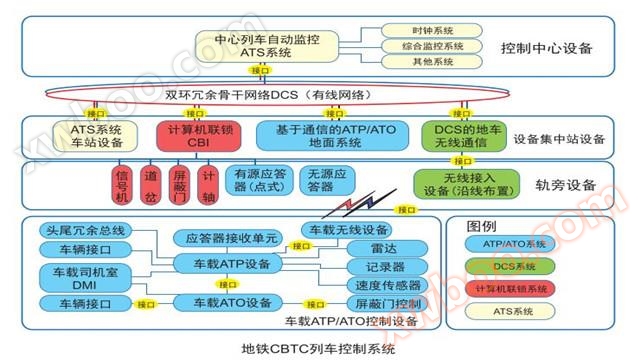
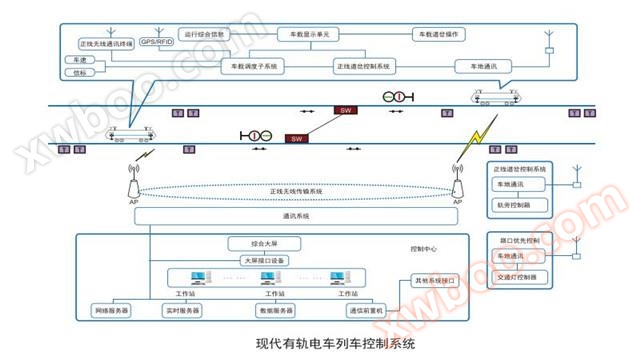
TCS-1000 Signal System (CBTC)
Based on domestic and international technical standards and safety certification systems, combined with the characteristics and operational needs of urban rail transit CBTC systems, and relying on years of successful development and application experience in high-speed railway products, Helishi's independently developed urban rail transit train control system meets the operational needs of safety, reliability, efficiency, and energy conservation; Simultaneously providing safe and integrated comprehensive automation solutions for urban rail transit.
Main characteristics
-
Fully independent intellectual property rights
The TCS-1000 signal system has completely independent intellectual property rights and has independent and complete research and development, testing, verification, and manufacturing capabilities.
-
Platform+application development model
- ZC/CI/DSU unified ground platform development based on the two times two out of two architecture;
- Development of an onboard ATP/ATO platform based on a two by two two out of two architecture;
- Both ground platform and vehicle platform systems have rich achievements in high-speed rail applications;
- Application of ATS/CI/ZC/VOBC in Overseas Metro Projects
-
High security and reliability
All CBTC core products have platform and application level security certifications.
- HVC1000 Ground Safety Computer Platform, Safety Integrity Level SIL4
- HVC2000 Vehicle Safety Computer Platform, Safety Integrity Level SIL4
- ATP train overspeed protection system, safety integrity level SIL4
- ATO train automatic operation system, safety integrity level SIL2
- ZC regional controller, safety integrity level SIL4
- HCI computer interlocking system, safety integrity level SIL4
- LKY hs active/passive responder system, safety integrity level SIL4
- LEU hs ground electronic unit, safety integrity level SIL4
- MACS-ATS type train automatic monitoring system, safety integrity level SIL4
-
Maintainability
- More economical maintenance costs: The system uses both ground and vehicle platforms to avoid storing different hardware spare parts for different systems
- Higher maintenance efficiency: The maintenance support system adopts system integration technology; It is possible to effectively integrate the maintenance terminals of separate subsystems
-
Scalability
Meet the technical specifications of urban rail transit, support CBTC interconnection specifications and fully automated autonomous driving technology, and have good potential for system upgrade.
Online inquiry
-
Contacts
-
Company
-
Telephone
-
Email
-
WeChat
-
Verification Code
-
Message Content
-