VIP member

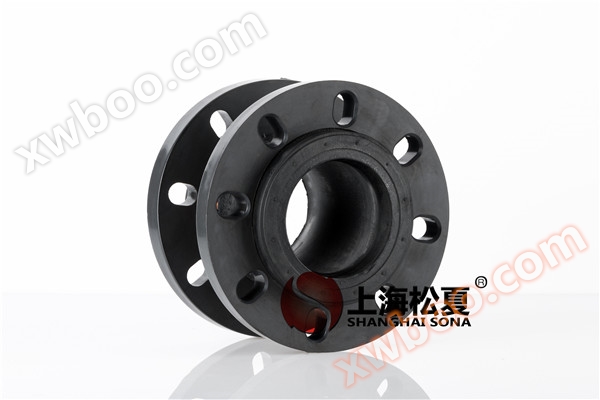
PVC flange fluororubber joint
1、 PVC, also known as polyvinyl chloride (PVC), is an initiator of vinyl chloride monomer (VCM) in peroxides, azo compounds, and other compounds; Or p
Product details
1、 PVC, also known as polyvinyl chloride, is an initiator of vinyl chloride monomer (VCM) in peroxides, azo compounds, and other compounds; Or polymers formed by free radical polymerization reaction mechanism under the action of light and heat. Vinyl chloride homopolymers and vinyl chloride copolymers are collectively referred to as vinyl chloride resins. Its material is a non crystalline material. In practical use, PVC materials often contain stabilizers, lubricants, auxiliary processing agents, colorants, impact retardants, and other additives. It has non flammability, high strength, resistance to weather changes, and excellent geometric stability. PVC has strong resistance to oxidants, reducing agents, and strong acids. However, it can be corroded by concentrated oxidizing acids such as concentrated sulfuric acid and concentrated nitric acid, and is also not suitable for contact with aromatic hydrocarbons and chlorinated hydrocarbons.
Chinese name: Polyvinyl chloride
Foreign name: Polyvinyl chloride
Other attributes: Translucent and glossy
Structure: - (CH2-CHCl) n-
2、 Fluororubber refers to a synthetic polymer elastomer with fluorine atoms on the carbon atoms of the main or side chains. The introduction of fluorine atoms endows rubber with excellent heat resistance, oxidation resistance, oil resistance, corrosion resistance, and atmospheric aging resistance. It has been widely used in fields such as aerospace, aviation, automotive, petroleum, and household appliances, and is an irreplaceable key material in cutting-edge defense industries. Since 1943, various varieties such as polyolefin fluororubber, nitroso fluororubber, tetrapropyl fluororubber, phosphonitrile fluororubber, and perfluoroether rubber have been developed successively.
Chinese name: Fluororubber
外文名: fluororubber
First appearance: 1948
Characteristics: High temperature resistance, oil resistance, and chemical resistance
Applications: modern aviation, missiles, rockets, and space travel.
Online inquiry
-
Contacts
-
Company
-
Telephone
-
Email
-
WeChat
-
Verification Code
-
Message Content
-