
VIP member
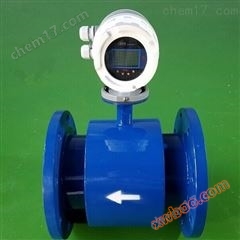
KH/LDE Fluoroboric Acid Flow Meter - Huai'an Kehao Automation Instrument Co., Ltd./Electromagnetic Flow Meter
Brief description: Flow meters and level gauges are the main products of Huai'an Kehao Automation Instrument Co., Ltd. If you need anything, please co
Product details
KH-LDESeries Fluoroboric Acid Flow MeterThe measurement principle is Faraday's law of electromagnetic induction, and the main components of the sensor are: measuring tube, electrode, excitation coil, iron core, and magnetic yoke housing. It is mainly used to measure the volumetric flow rate of conductive liquids and slurries in closed pipelines. Including highly corrosive liquids such as acids, alkalis, salts, etc. This product is widely used in industries such as petroleum, chemical, metallurgical, textile, food, pharmaceutical, papermaking, as well as in fields such as environmental protection, municipal management, and water conservancy construction.
Fluoroboric acid flowmeter - Huai'an Kehao Automation Instrument Co., Ltd./Electromagnetic flowmeter
Product Features:
1. Measurement is not affected by changes in fluid density, viscosity, temperature, pressure, and conductivity;
2. Measure the flow components inside the tube, with no pressure loss and low requirements for straight pipe sections;
3. Series nominal diameter DN15~DN3000. There are multiple options for sensor lining and electrode materials;
4. The converter adopts a novel excitation method, with low power consumption, stable zero point, and high accuracy. The flow range can reach 1500:1;
5. The converter can be integrated or separated from the sensor;
6. The converter adopts a 16 bit high-performance microprocessor, 2x16 LCD display, convenient parameter setting, and reliable programming;
7. The flowmeter is a bidirectional measurement system equipped with three integrators: forward total, reverse total, and differential total; Can display. Zhuang, reverse flow, and have multiple outputs: electric
Flow, pulse, digital communication HART;
8. The converter adopts surface mount technology (SMT) and has self checking and self diagnostic functions;
Fluoroboric acid flowmeter - Huai'an Kehao Automation Instrument Co., Ltd./Electromagnetic flowmeter
Main technical data:
Technical data of the whole machine and sensors
execution standard |
JB/T 9248—1999 |
||||
Nominal Diameter |
15、 20. 25, 32, 40, 50, 65, 80, 100, 125, 150, 200, 250, 300, 350, 400, 450, 500, 600, 700, 800, 900, 1000, 1200, 1400, 1600, 1800, 2000, 2200, 2400, 2600, 2800, 3000 |
||||
high flow rate |
15m/s |
||||
accuracy |
DNl5~DN600 |
Indication: ± 0.5% (flow rate ≥ 1m/s); ± 3mm/s (flow rate<1m/s) |
|||
DN700—DN3000 |
Indication: ± 1.0% (flow rate ≥ 0.8m/S); ± 4mm/s (flow rate<0.8m/S) |
||||
Fluid conductivity |
≥5uS/cm |
||||
Nominal Pressure |
4.0MPa |
1.6MPa |
1.0MPa |
0.6MPa |
6.3、10MPa |
DNl5~DN150 |
DNl5~DN600 |
DN200~DN1000 |
DN700~DN3000 |
Special Orders |
|
ambient temperature |
sensor |
—25℃—60 ℃ |
|||
Converter and integrated model |
—10℃—60 ℃ |
||||
Lining material |
Polytetrafluoroethylene, chloroprene rubber, polyurethane, perfluoroalkoxy (F46), mesh PFA |
||||
High fluid temperature |
—body type |
70℃ |
|||
separated type |
Polychloroprene rubber lining |
80℃120 ℃ (specify when ordering) |
|||
Polyurethane lining |
80℃ |
||||
PTFE lining |
100℃150 ℃ (specify when ordering) |
||||
Perfluoroethylene propylene (F46) | |||||
Mesh PFA | |||||
Signal electrode and ground electrode materials |
Stainless steel 0Crl8Nil2M02Ti, Hastelloy C, Hastelloy B, titanium, tantalum, platinum/iridium alloy, stainless steel coated with tungsten carbide |
||||
Electrode scraper mechanism |
DN300—DN3000 |
||||
Connecting flange material |
carbon steel |
||||
Grounding flange material |
Stainless steel 1Cr18Ni9Ti |
||||
Imported protective flange materials |
DN65—DNl50 |
Stainless steel 1Cr18Ni9Ti |
|||
DN200~DNl600 |
Carbon steel and stainless steel 1Cr18Ni9Ti |
||||
enclosure protection |
DNl5DN3000 separable rubber or polyurethane lined sensor |
IP65Or IP68 |
|||
Other sensors, body type flow meters, and separate converters |
IP65 |
||||
Distance (separated type) |
The distance between the converter and the sensor is generally not more than 100m |
||||
Converter technology data
power supply |
communication |
85—265V,45—400Hz |
|||||
direct current |
11—40V |
||||||
Operation keys and display |
Button type |
|
|||||
Magnetic key type |
|
||||||
Internal integrator |
Positive total, negative total, and differential total. |
||||||
output signal |
Unidirectional analog output |
|
|||||
Bidirectional analog output |
The lower limit is. Or 4mA, other same unidirectional analog outputs. |
||||||
Bidirectional pulse output |
|
||||||
Dual channel alarm output |
|
||||||
Digital Communication |
|
RS232,RS485,HART |
|||||
Selection of lining
Lining material |
Main performance |
High medium temperature |
Scope of Application |
|
—body type |
separated type |
|
||
Polytetrafluoroethylene (F4) |
It is a chemically stable plastic that can withstand boiling hydrochloric acid, sulfuric acid, nitric acid, and aqua regia, as well as concentrated alkali and various organic solvents. Not resistant to corrosion from chlorine trifluoride, high-temperature chlorine trifluoride, high flow rate liquid fluorine, liquid oxygen, and auto oxygen. |
70℃ |
100℃ 150℃ (Special order required) |
1Strong corrosive media such as concentrated acid and alkali. 2. Sanitary media. |
Perfluoroethylene propylene (F46) |
Same as F4, its wear resistance and negative pressure resistance are higher than F4. |
Ditto. |
|
|
Polyfluoroethylene (Fs) |
The upper limit of applicable temperature is lower than that of polytetrafluoroethylene, but the cost is also lower. |
80℃ |
|
|
Polychloroprene rubber |
1Has * elasticity, high tensile strength, and good wear resistance. 2. Resistant to corrosion in general low concentration acid, alkali, and salt media, but not resistant to corrosion in oxidizing media. |
80℃ 120℃ (Special order required) |
Water, sewage, and weakly abrasive slurry. |
|
Polyurethane rubber |
1Wear resistance performance *. 2Poor corrosion resistance. |
80℃ |
Neutral strong abrasion slurry, coal slurry, mud |
|
Selection of imported protective flanges and grounding flanges (or grounding rings)
Orchid species |
Scope of application |
Grounding flange (or grounding ring) |
Suitable for non-conductive pipelines such as plastic pipes, but sensors with grounding electrodes do not require them. |
Import protection flange |
Choose when the medium has strong wear resistance. |
Selection of electrodes
electrode material |
Corrosion resistance and wear resistance |
Stainless steel 0Crl8Nil2M02Ti |
Used for weakly corrosive media such as industrial water, domestic water, sewage, etc., suitable for industrial sectors such as petroleum, chemical, steel, as well as municipal and environmental protection fields. |
哈氏合金B |
It has good corrosion resistance to all concentrations of hydrochloric acid below boiling point, as well as to non chlorinated acids, bases, and non oxidizing salt solutions such as sulfuric acid, phosphoric acid, hydrofluoric acid, and organic acids. |
Hastelloy C |
Can withstand corrosion from non oxidizing acids such as nitric acid, mixed acids, or mixed media of chromic acid and sulfuric acid, as well as corrosion from oxidizing salts such as Fe, Cu, or other oxidants such as hypochlorite solutions above room temperature and seawater |
Titanium |
Capable of withstanding corrosion from seawater, various chlorides and hypochlorites, oxidizing acids (including fuming sulfuric acid), organic acids, and alkalis. Not resistant to the corrosion of relatively pure reducing acids (such as sulfuric acid, hydrochloric acid), but if the acid contains oxidants (such as nitric acid, Fc++, Cu++), the corrosion is greatly reduced. |
Tantalum |
It has excellent corrosion resistance and is very similar to glass. Except for hydrofluoric acid, fuming sulfuric acid, and alkali, it can almost withstand corrosion from cutting chemical media (including boiling point hydrochloric acid, nitric acid, and sulfuric acid below 50 ℃). Dig in alkali; Corrosion resistance. |
Platinum/titanium alloy |
Almost capable of cutting chemical media, but not suitable for aqua regia and ammonium salts. |
Stainless steel coated with tungsten carbide |
Used for non corrosive and highly abrasive media. |
Note: Due to the wide variety of media and the complex factors such as temperature, concentration, and flow rate that affect their corrosiveness, this table is for reference only. Users should make their own choices based on the actual situation, and if necessary, conduct corrosion resistance tests on the selected materials, such as hanging plate tests. | |
KH-LDESelection of series fluoroboric acid flowmeter instruments
◆ Range confirmation
The flow rate of the medium measured by the general industrial electromagnetic flowmeter should be 2-4m/s. In special circumstances, the low flow rate should not be less than 0.2m/s, and the high flow rate should not exceed 8m/s. If the medium contains solid particles, the commonly used flow rate should be less than 3m/s to prevent excessive friction between the lining and the electrode; For viscous fluids, the flow velocity can be chosen to be greater than 2m/s. A higher flow velocity helps to automatically eliminate the effect of viscous substances attached to the electrode, which is beneficial for improving measurement accuracy.
Under the condition that the range Q has been determined, the size of the flowmeter diameter D can be determined based on the range of flow velocity V mentioned above, and its value can be calculated by the following formula:
Q=πD2V/4
Q: Flow rate (㎡/h) D: Inner diameter of pipeline V: Flow rate (m/h)
The range Q of the fluoroboric acid flowmeter should be greater than the expected large flow rate value, and the normal flow rate value should be slightly greater than 50 of the flowmeter's full range scale.
◆KH-LDE seriesElectromagnetic flowmeter Fluoroboric acid flowmeterReference flow range
Caliber mm |
Flow range m3/h |
Caliber mm |
Flow range m3/h |
φ15 |
0.06~6.36 |
φ450 |
57.23~5722.65 |
φ20 |
0.11~11.3 |
φ500 |
70.65~7065.00 |
φ25 |
0.18~17.66 |
φ600 |
101.74~10173.6 |
φ40 |
0.45~45.22 |
φ700 |
138.47~13847.4 |
φ50 |
0.71~70.65 |
φ800 |
180.86~18086.4 |
φ65 |
1.19~119.4 |
φ900 |
228.91~22890.6 |
φ80 |
1.81~180.86 |
φ1000 |
406.94~40694.4 |
φ100 |
2.83~282.60 |
φ1200 |
553.90~55389.6 |
φ150 |
6.36~635.85 |
φ1600 |
723.46~72345.6 |
φ200 |
11.3~1130.4 |
φ1800 |
915.62~91562.4 |
φ250 |
17.66~176.25. |
φ2000 |
1130.4~113040.00 |
φ300 |
25.43~2543.40 |
φ2200 |
1367.78~136778.4 |
φ350 |
34.62~3461.85 |
φ2400 |
1627.78~162777.6 |
φ400 |
45.22~4521.6 |
φ2600 |
1910.38~191037.6 |
KH-LDESeries IntelligenceFluoroboric acid flowmeterSelection spectrum
model |
caliber |
|
|||||||
KH-LDE |
15~2600 |
||||||||
|
|
code name |
Installation type |
|
|||||
Y |
integrated |
||||||||
F |
split-type |
||||||||
|
code name |
Converter model |
|||||||
ZA |
rotundity |
||||||||
ZB |
square |
||||||||
|
code name |
output signal |
|||||||
I.4 |
4~20mA |
||||||||
f |
Frequency 1KHz |
||||||||
Rs |
Serial communication (485) |
||||||||
C |
controlled output |
||||||||
|
code name |
Explosion-proof requirements |
|||||||
N |
No explosion-proof |
||||||||
EX |
Explosion proof (only applicable to split type) |
||||||||
|
code name |
medium temperature |
|||||||
T1 |
≤65℃ |
||||||||
T2 |
≤120℃ |
||||||||
T3 |
≤180℃(Only applicable to split type) |
||||||||
|
code name |
Lining material |
|||||||
NE |
Chloroprene rubber (≤ 65 ℃) |
||||||||
PTFE |
Polytetrafluoroethylene (≤ 189 ℃) |
||||||||
PVC |
Polyvinyl chloride (≤ 70 ℃) |
||||||||
|
code name |
Electrode material |
|||||||
316L |
stainless steel |
||||||||
HC |
Hastelloy C |
||||||||
HB |
哈氏合金B |
||||||||
Ti |
Titanium |
||||||||
Ta |
Tantalum |
||||||||
Online inquiry
-
Contacts
-
Company
-
Telephone
-
Email
-
WeChat
-
Verification Code
-
Message Content
-