VIP member
Activated carbon coconut shell activated carbon charcoal particles
Activated carbon coconut shell activated carbon charcoal particles
Product details
Activated carbon coconut shell activated carbon charcoal particles
Keywords: activated carbon, coconut shell activated carbon, charcoal particles
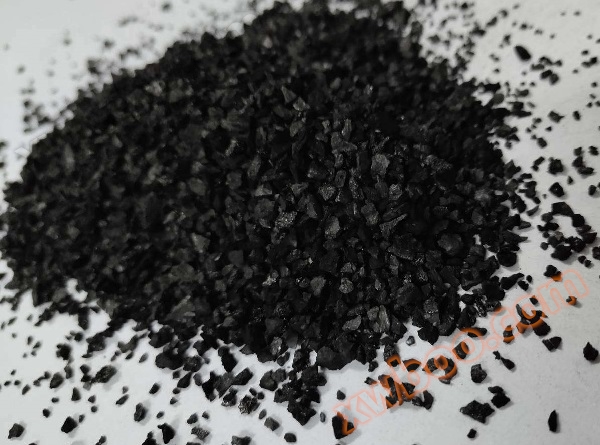
Coconut shell activated carbon is made from high-quality coconut shell as raw material, processed through a series of production processes, with a black appearance and granular shape. It has the advantages of developed voids, good adsorption performance, high strength, easy regeneration, and economic durability.
Keywords: activated carbon, coconut shell activated carbon, charcoal particles
Coconut shell activated carbon is made from high-quality coconut shell as raw material, processed through a series of production processes, with a black appearance and granular shape. It has the advantages of developed voids, good adsorption performance, high strength, easy regeneration, and economic durability.
Coconut shell activated carbon is mainly used for the purification, decolorization, dechlorination, and deodorization of drinking water, purified water, wine making, beverages, and industrial wastewater; It can also be used for mercaptan removal in the refining industry.
Coconut shell activated carbon is a high-quality activated carbon produced from coconut shell raw materials. It is a broken carbon with irregular particles, high strength, and can be regenerated multiple times after saturation. Its significant characteristics are high adsorption capacity and low resistance. It is widely used in fixed beds or fluidized beds, and is widely used for decolorization, deodorization, removal of organic matter, and residual chlorine in central water purifiers, drinking water, and industrial water.
Method for identifying coconut shell activated carbon:
1. Coconut shell activated carbon belongs to the category of fruit shell activated carbon, and its main characteristics are low density, light hand feel, and significantly lighter weight when held in hand compared to coal based activated carbon. Coconut shell activated carbon with the same weight generally has a larger volume than coal based activated carbon.
2. Coconut shell activated carbon is generally in the form of broken particles or flakes, while formed activated carbon, such as columnar or spherical activated carbon, is mostly coal based carbon.
3. Due to the low density and light touch of coconut shell activated carbon, it can be placed in water. Coal based charcoal generally sinks quickly, while coconut shell activated carbon floats in water for a longer period of time. As the activated carbon adsorbs water molecules to saturation and increases its own weight, it gradually sinks to the bottom of the water. When all activated carbon sinks to the bottom, you will see a small bubble wrapped around each activated carbon, which is crystal clear and very interesting.
4. Coconut shell activated carbon has a small molecular pore structure. When activated carbon is placed in water, the air released when it adsorbs water molecules will produce many very small bubbles (visible to the naked eye), densely packed and constantly floating towards the water surface. Coal based activated carbon generally has a large molecular pore structure, and the generated bubble phase is also relatively large.
Application of coconut shell activated carbon:
Coconut shell particle activated carbon is commonly used in gas-phase adsorption, usually allowing the airflow to pass through the activated carbon layer for adsorption.
The air in instrument rooms, air conditioning rooms, basements, and underwater facilities often contains body odor, smoking odor, cooking odor, oil, organic and inorganic sulfides, corrosive components, etc. due to external pollution or the influence of human activities in enclosed environments, causing corrosion of precision instruments or affecting human health. Activated carbon can be used for purification to remove impurities.
Coconut shell activated carbon can be used in chemical plants, leather factories, paint factories, and engineering projects that use various organic solvents. It contains various organic solvents, inorganic and organic sulfides, hydrocarbons, chlorine gas, oil, mercury, and other harmful components to the environment. Activated carbon can be used for adsorption before discharge.
There are still many uses of coconut shell activated carbon for refining gases, such as gas masks, cigarette filters, refrigerator deodorizers, car exhaust treatment devices, etc., all of which utilize the excellent adsorption performance of activated carbon to remove toxic components, harmful components to the human body, or odorous components from gases. For example, adding 100-120ng of activated carbon to cigarette filters can remove a significant portion of harmful substances from the smoke to the human body.
5. Thiol removal activated carbon: used as a carrier for gasoline desulfurization (deodorization) catalysts in catalytic units of refineries.
6. Vinylon catalyst activated carbon: used in the chemical industry as a catalyst carrier, such as as as a catalyst carrier for vinyl acetate.
7. Monosodium glutamate refined activated carbon: used for decolorization and refinement of mother liquor in the production process of monosodium glutamate, and can also be used for decolorization and refinement of fine chemical products.
8. Special activated carbon for cigarette filters: used in cigarette filters in the cigarette industry to remove toxic and harmful substances such as tar and nicotine from cigarettes.
9. Citric acid specific activated carbon: used for decolorization, refining, and deodorization of various acids such as citric acid, amino acids, and cysteine.
10. Special activated carbon for direct drinking water treatment: Activated carbon is used for deep water purification of household direct drinking water, water treatment in waterworks, and bottled water production.
Why choose coconut shell activated carbon?
When coconut shell activated carbon is moist with water or circulating gas, its adsorption rate for organic solvents generally decreases. But By using coconut shell activated carbon that can maintain a considerable adsorption capacity even in a wet state, it can still be used for recycling under conditions that are not suitable for recycling until now, and it can also save water vapor usage Especially in the case of solvent recovery that may generate heat due to oxidation and decomposition By humidifying the adsorbed gas, the temperature rise of the coconut shell activated carbon layer can be suppressed Inhibit the occurrence of reactions Prevent fire When it comes to selecting ketone solvents, this becomes an important condition for choosing coconut shell activated carbon.
Online inquiry
-
Contacts
-
Company
-
Telephone
-
Email
-
WeChat
-
Verification Code
-
Message Content
-